Peak conditionpast thirty-five

Health, anti-aging, longevity, strength and mind — collected from across the web, cut down to what's worth your time, and dropped on the grid.

Sleep Apnoea After 35: When Snoring Becomes a Health WarningStudy

Sleep Apnoea After 35: When Snoring Becomes a Health Warning

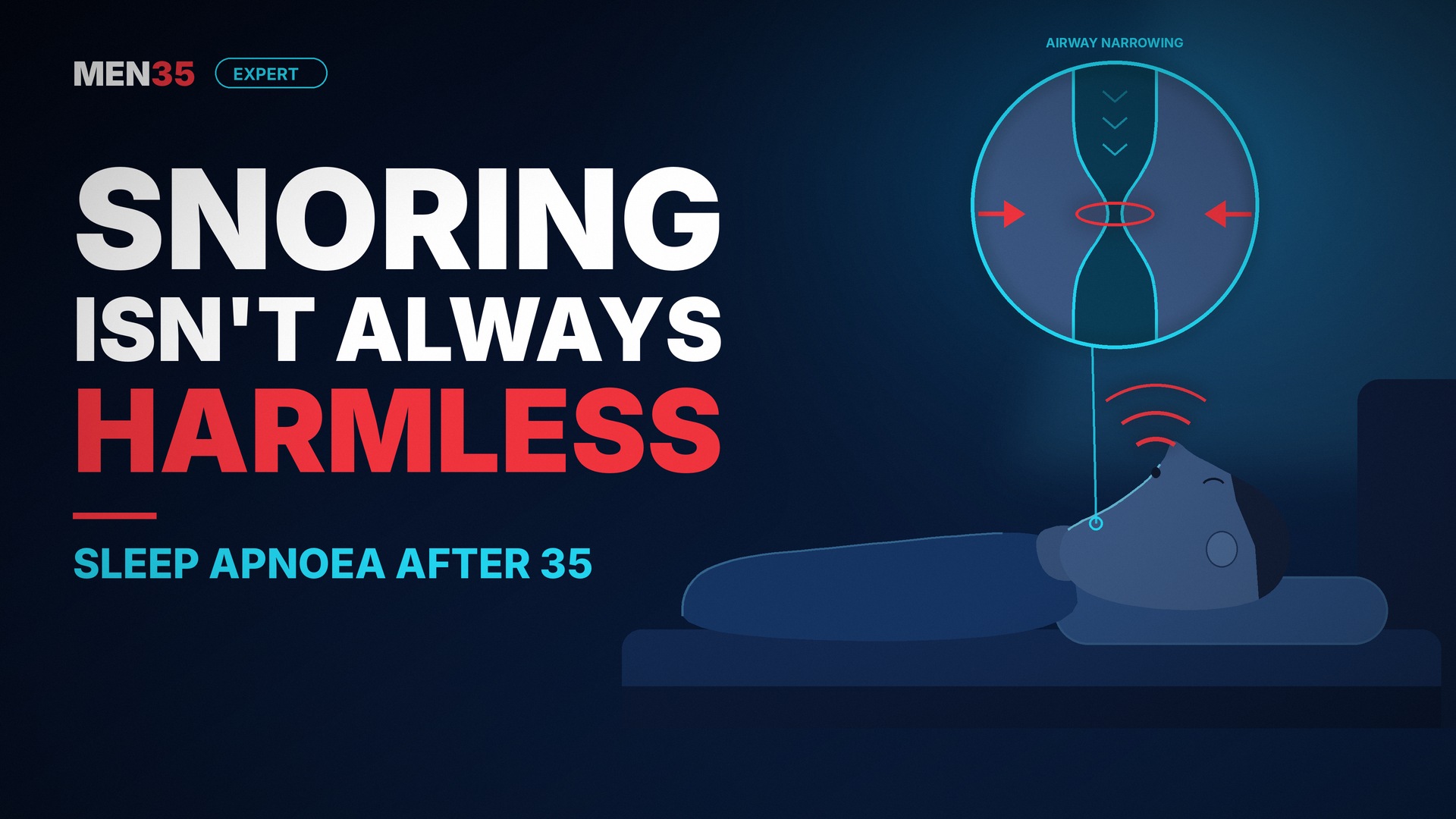
Loud snoring, interrupted breathing and waking up exhausted may be more than signs of poor sleep. They can indicate obstructive sleep apnoea, a condition that repeatedly disrupts breathing during the night and deserves proper medical assessment. Key Benefits • Recognise common warning signs of obstructive sleep apnoea. • Understand why snoring and daytime fatigue should not always be dismissed. • Learn how sleep apnoea is diagnosed. • Discover established treatment options that can improve sleep and daily functioning. 𝗜𝗧 𝗠𝗔𝗬 𝗡𝗢𝗧 𝗕𝗘 𝗝𝗨𝗦𝗧 𝗦𝗡𝗢𝗥𝗜𝗡𝗚 Your partner complains that you snore loudly. You wake up with a dry mouth, feel tired despite spending eight hours in bed and struggle to concentrate during the day. It is tempting to blame stress, age or a busy schedule. But these symptoms can sometimes point to obstructive sleep apnoea (OSA), a sleep-related breathing disorder in which the upper airway repeatedly narrows or becomes blocked during sleep. Breathing may become shallow or stop temporarily, causing oxygen levels to fall and sleep to become fragmented. The result can be poor-quality sleep even when you believe you have spent enough time in bed. 𝗪𝗛𝗬 𝗠𝗘𝗡 𝗦𝗛𝗢𝗨𝗟𝗗 𝗣𝗔𝗬 𝗔𝗧𝗧𝗘𝗡𝗧𝗜𝗢𝗡 OSA is particularly relevant to middle-aged men. Risk factors include excess body weight, increased neck circumference, certain facial or airway structures, alcohol consumption and family history. It is also associated with conditions such as high blood pressure, type 2 diabetes and cardiovascular disease. Association does not mean every man who snores has sleep apnoea. But persistent symptoms deserve assessment rather than dismissal. 𝗙𝗜𝗩𝗘 𝗪𝗔𝗥𝗡𝗜𝗡𝗚 𝗦𝗜𝗚𝗡𝗦 𝗟𝗢𝗨𝗗, 𝗥𝗘𝗚𝗨𝗟𝗔𝗥 𝗦𝗡𝗢𝗥𝗜𝗡𝗚 Loud snoring can occur when airflow passes through a narrowed upper airway. Snoring alone does not diagnose OSA, but persistent loud snoring combined with other symptoms deserves attention. 𝗚𝗔𝗦𝗣𝗜𝗡𝗚 𝗢𝗥 𝗖𝗛𝗢𝗞𝗜𝗡𝗚 𝗗𝗨𝗥𝗜𝗡𝗚 𝗦𝗟𝗘𝗘𝗣 A partner may notice pauses in breathing followed by gasping, snorting or choking sounds. These episodes are an important reason to seek medical evaluation. 𝗗𝗔𝗬𝗧𝗜𝗠𝗘 𝗦𝗟𝗘𝗘𝗣𝗜𝗡𝗘𝗦𝗦 Repeated sleep disruption can leave you tired during the day, even after spending a seemingly adequate amount of time in bed. 𝗠𝗢𝗥𝗡𝗜𝗡𝗚 𝗛𝗘𝗔𝗗𝗔𝗖𝗛𝗘𝗦 𝗢𝗥 𝗗𝗥𝗬 𝗠𝗢𝗨𝗧𝗛 Some people with OSA wake with headaches, a dry mouth or a feeling that they have not slept properly. 𝗣𝗢𝗢𝗥 𝗖𝗢𝗡𝗖𝗘𝗡𝗧𝗥𝗔𝗧𝗜𝗢𝗡 Fragmented sleep can affect attention, memory, mood and everyday performance. If you regularly feel sleepy while driving, do not ignore it. Avoid driving when drowsy and seek medical assessment. 𝗛𝗢𝗪 𝗜𝗦 𝗦𝗟𝗘𝗘𝗣 𝗔𝗣𝗡𝗢𝗘𝗔 𝗗𝗜𝗔𝗚𝗡𝗢𝗦𝗘𝗗? A questionnaire or smartwatch cannot confirm sleep apnoea. A healthcare professional first reviews symptoms, medical history and risk factors. Depending on the situation, diagnosis may involve: • Home sleep apnoea testing for appropriately selected patients. • Polysomnography, an overnight sleep study that measures breathing and other physiological signals. Polysomnography is the standard diagnostic test, particularly when a person has complex medical conditions or a home test is unsuitable. 𝗪𝗛𝗔𝗧 𝗧𝗥𝗘𝗔𝗧𝗠𝗘𝗡𝗧 𝗖𝗔𝗡 𝗛𝗘𝗟𝗣? Treatment depends on severity, anatomy, symptoms and individual circumstances. Common options include: 𝗖𝗣𝗔𝗣 𝗧𝗛𝗘𝗥𝗔𝗣𝗬 Continuous positive airway pressure (CPAP) uses a mask to deliver pressurised air that helps keep the airway open during sleep. It is a well-established treatment, particularly for moderate-to-severe OSA. 𝗪𝗘𝗜𝗚𝗛𝗧 𝗠𝗔𝗡𝗔𝗚𝗘𝗠𝗘𝗡𝗧 For people carrying excess weight, a structured weight-management programme may improve OSA severity. It does not replace prescribed treatment when treatment is required. 𝗢𝗥𝗔𝗟 𝗔𝗣𝗣𝗟𝗜𝗔𝗡𝗖𝗘𝗦 Custom-made dental devices may help selected people by positioning the jaw or tongue to reduce airway obstruction. A qualified sleep or dental professional should assess suitability. 𝗟𝗜𝗙𝗘𝗦𝗧𝗬𝗟𝗘 𝗔𝗗𝗝𝗨𝗦𝗧𝗠𝗘𝗡𝗧𝗦 Reducing alcohol, avoiding smoking, maintaining a healthy weight and following an appropriate sleep routine may support treatment. These measures are not a substitute for diagnosis. 𝗠𝗘𝗡𝟯𝟱 𝗧𝗔𝗞𝗘𝗔𝗪𝗔𝗬 If your partner regularly notices breathing pauses, or you experience loud snoring combined with daytime tiredness, arrange a medical assessment. Don't assume that snoring is harmless, and don't rely on a smartwatch to rule out sleep apnoea. 𝗕𝗢𝗧𝗧𝗢𝗠 𝗟𝗜𝗡𝗘 Sleep apnoea is a treatable medical condition, not simply an annoying sleeping habit. Recognising the warning signs and obtaining an appropriate sleep assessment can help protect your sleep quality, daily functioning and overall health.
#Sleep Apnoea#Sleep Apnea in Men#Sleep Apnoea After 35#Men's Health#Sleep Disorders#Loud Snoring#Obstructive Sleep Apnea#OSA Symptoms#Sleep Quality#Healthy Ageing#Men's Sleep Health#Daytime Fatigue#Breathing During Sleep#CPAP Therapy#Sleep Apnea Treatment#Weight Management#Heart Health#Middle-Aged Men's Health#Better Sleep#MEN35
Vitamin D After 35: Who Really Needs a Supplement?Study

Vitamin D After 35: Who Really Needs a Supplement?

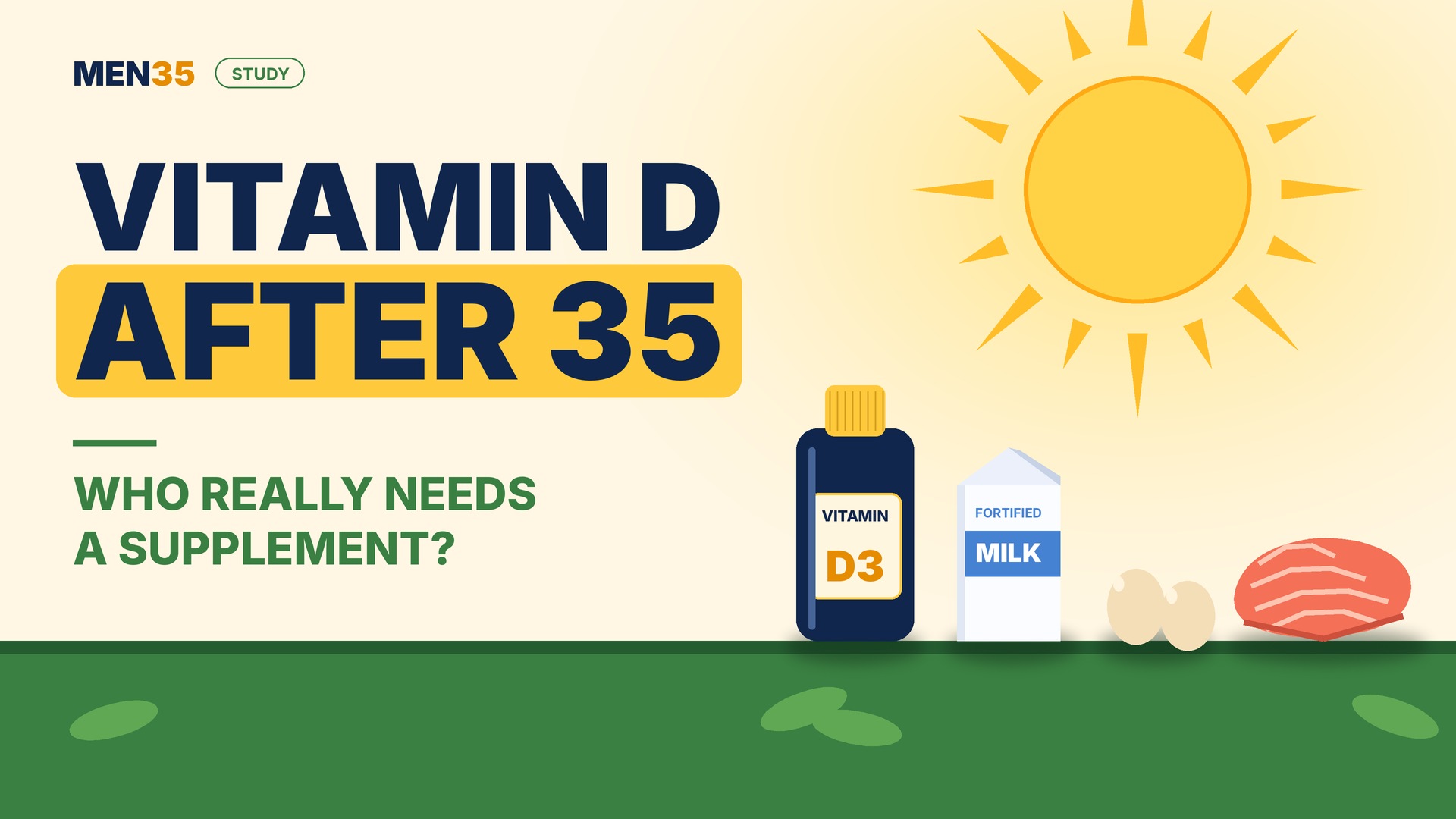
Vitamin D supports bone health, muscle function and calcium absorption. But does every man over 35 need a supplement? Discover what the research says about daily requirements, deficiency risks, testing and responsible supplementation. Key Benefits • Understand the role of vitamin D in bone and muscle health. • Learn who may be at greater risk of deficiency. • Understand when vitamin D testing may be appropriate. • Avoid unnecessary high-dose supplementation. 𝗧𝗛𝗘 𝗩𝗜𝗧𝗔𝗠𝗜𝗡 𝗧𝗛𝗔𝗧 𝗗𝗢𝗘𝗦𝗡'𝗧 𝗡𝗘𝗘𝗗 𝗛𝗬𝗣𝗘 Vitamin D is often promoted as a solution for everything from low energy and weak immunity to ageing and poor testosterone. The reality is more specific. Vitamin D is essential for normal calcium absorption, bone mineralisation and muscle function. Severe deficiency can cause bone problems, including osteomalacia in adults. But having an adequate vitamin D level does not mean that taking additional high-dose supplements will automatically improve energy, testosterone, immunity or longevity. For men over 35, the important question is not simply whether vitamin D is useful. It is whether your body is getting enough. 𝗪𝗛𝗔𝗧 𝗩𝗜𝗧𝗔𝗠𝗜𝗡 𝗗 𝗔𝗖𝗧𝗨𝗔𝗟𝗟𝗬 𝗗𝗢𝗘𝗦 Vitamin D helps your body absorb calcium and phosphorus from the digestive system. These minerals are essential for maintaining healthy bones and supporting normal muscle function. When vitamin D levels become severely low, the body may struggle to maintain normal bone mineralisation. In adults, prolonged severe deficiency can lead to osteomalacia, a condition that causes soft, weakened bones and may produce bone pain and muscle weakness. This is why vitamin D matters. But its biological importance should not be confused with proof that extra supplementation prevents every chronic disease. 𝗪𝗛𝗢 𝗠𝗔𝗬 𝗕𝗘 𝗔𝗧 𝗥𝗜𝗦𝗞 𝗢𝗙 𝗟𝗢𝗪 𝗩𝗜𝗧𝗔𝗠𝗜𝗡 𝗗? Some men are more likely than others to have inadequate vitamin D levels. Potential risk factors include: • Limited exposure to sunlight. • Spending most of the day indoors. • Consistently covering most of the skin outdoors. • Darker skin pigmentation, which can reduce vitamin D production from sunlight. • Conditions that affect fat absorption, including certain intestinal disorders. • Some liver and kidney conditions. • Certain medicines that affect vitamin D metabolism. Living in a sunny country does not guarantee adequate vitamin D levels. Lifestyle, clothing, skin pigmentation, diet and health conditions all influence vitamin D status. 𝗛𝗢𝗪 𝗠𝗨𝗖𝗛 𝗗𝗢 𝗬𝗢𝗨 𝗡𝗘𝗘𝗗? The US National Academies' recommended daily allowances are: • Adults aged 19–70: 600 IU (15 micrograms) daily. • Adults older than 70: 800 IU (20 micrograms) daily. These figures refer to total intake from food and supplements, not a requirement to take that amount as a supplement. The amount an individual needs can differ depending on deficiency, health conditions and clinical circumstances. 𝗗𝗢 𝗬𝗢𝗨 𝗡𝗘𝗘𝗗 𝗔 𝗕𝗟𝗢𝗢𝗗 𝗧𝗘𝗦𝗧? A blood test measuring 25-hydroxyvitamin D [25(OH)D] is the standard test used to assess vitamin D status. However, routine testing is not recommended for every healthy adult. The Endocrine Society's 2024 clinical practice guideline suggests against routine vitamin D testing in generally healthy adults without an established reason for testing. Testing may be appropriate when a healthcare professional suspects deficiency or when certain medical conditions, symptoms or risk factors justify investigation. The key distinction is simple: testing should answer a clinical question, not become an automatic annual screening habit. 𝗗𝗢 𝗬𝗢𝗨 𝗡𝗘𝗘𝗗 𝗔 𝗦𝗨𝗣𝗣𝗟𝗘𝗠𝗘𝗡𝗧? Not every man over 35 needs an additional vitamin D supplement. The Endocrine Society's 2024 guideline suggests that generally healthy adults under 75 should not routinely take vitamin D doses above the recommended dietary intake solely to prevent disease. That does not mean supplementation is unnecessary for everyone. Men with confirmed deficiency, inadequate intake or medical conditions affecting vitamin D absorption or metabolism may need supplementation under professional guidance. 𝗙𝗢𝗢𝗗 𝗦𝗢𝗨𝗥𝗖𝗘𝗦 𝗠𝗔𝗧𝗧𝗘𝗥 Vitamin D can be obtained from several foods: • Fatty fish such as salmon and sardines. • Egg yolks. • Fortified milk and dairy alternatives. • Fortified breakfast cereals. • Some UV-exposed mushrooms. Food choices can help support intake, although diet alone may not meet the needs of everyone. 𝗗𝗢𝗡'𝗧 𝗔𝗦𝗦𝗨𝗠𝗘 𝗠𝗢𝗥𝗘 𝗜𝗦 𝗕𝗘𝗧𝗧𝗘𝗥 Vitamin D is fat-soluble, meaning it can accumulate in the body. Excessive supplement intake can cause vitamin D toxicity, leading to high blood calcium levels. Serious cases can damage the kidneys and cause other complications. Avoid routinely taking high-dose vitamin D products without a clear medical reason. 𝗠𝗘𝗡𝟯𝟱 𝗧𝗔𝗞𝗘𝗔𝗪𝗔𝗬 Vitamin D is essential, but supplementation should be based on dietary intake, risk factors and medical needs—not marketing claims. Eat vitamin D-containing foods, discuss testing when clinically appropriate and avoid high-dose supplements without professional guidance. 𝗕𝗢𝗧𝗧𝗢𝗠 𝗟𝗜𝗡𝗘 Vitamin D supports strong bones and normal muscle function. But more is not automatically better. For men over 35, understanding personal risk and maintaining adequate intake is more sensible than taking high doses in the hope of reversing ageing or preventing every disease.

#men's health#men over 35#vitamin D#vitamin D3#vitamin D deficiency#supplements#bone health#muscle function#healthy ageing#nutrition#sunlight#fatty fish#egg yolks#vitamin D testing#dietary supplements#Endocrine Society#NIH#nutritional science#preventive health
The Fat-Loss Blueprint After 35: Lose Fat Without Sacrificing MuscleVideo

The Fat-Loss Blueprint After 35: Lose Fat Without Sacrificing Muscle

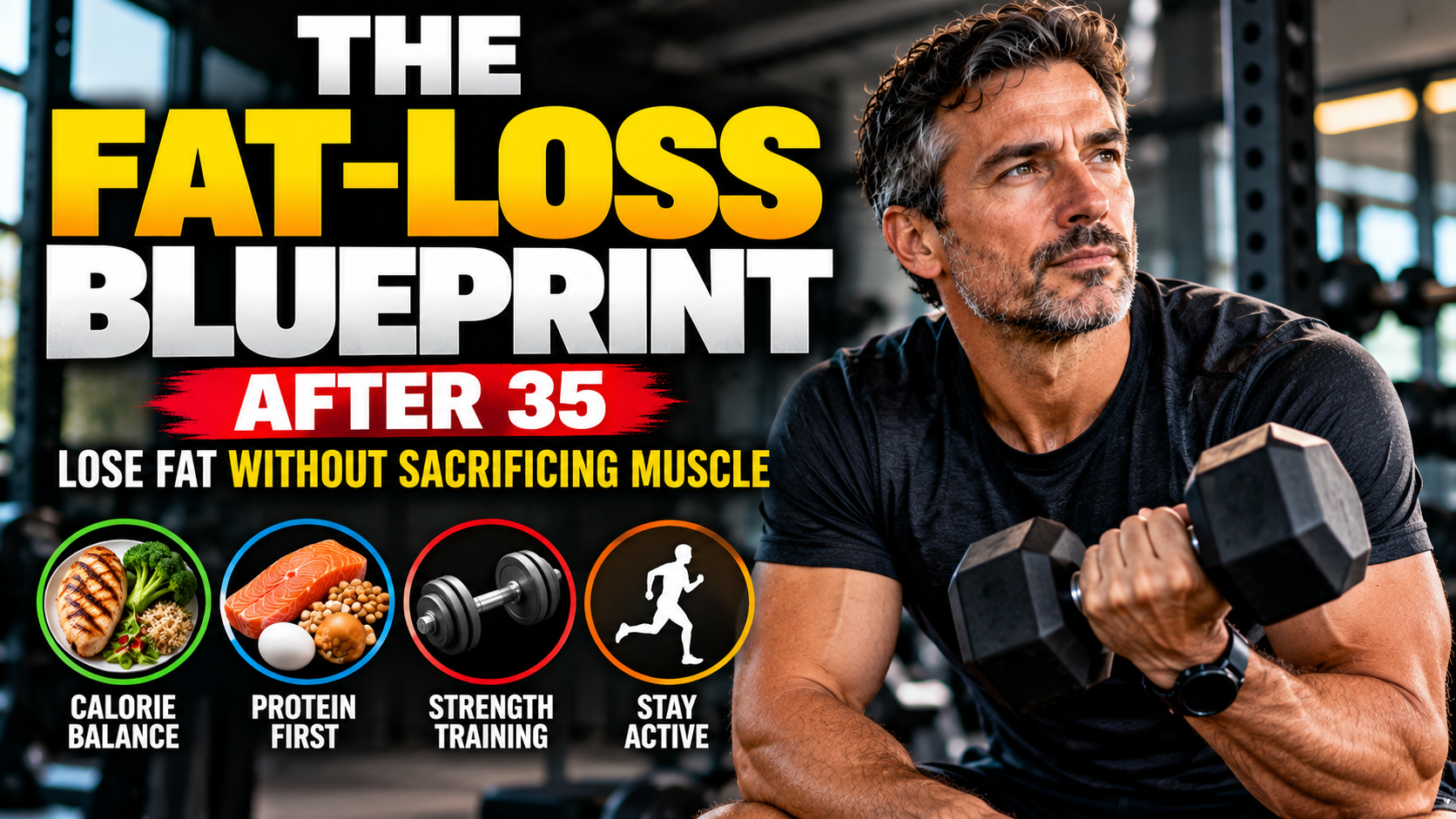
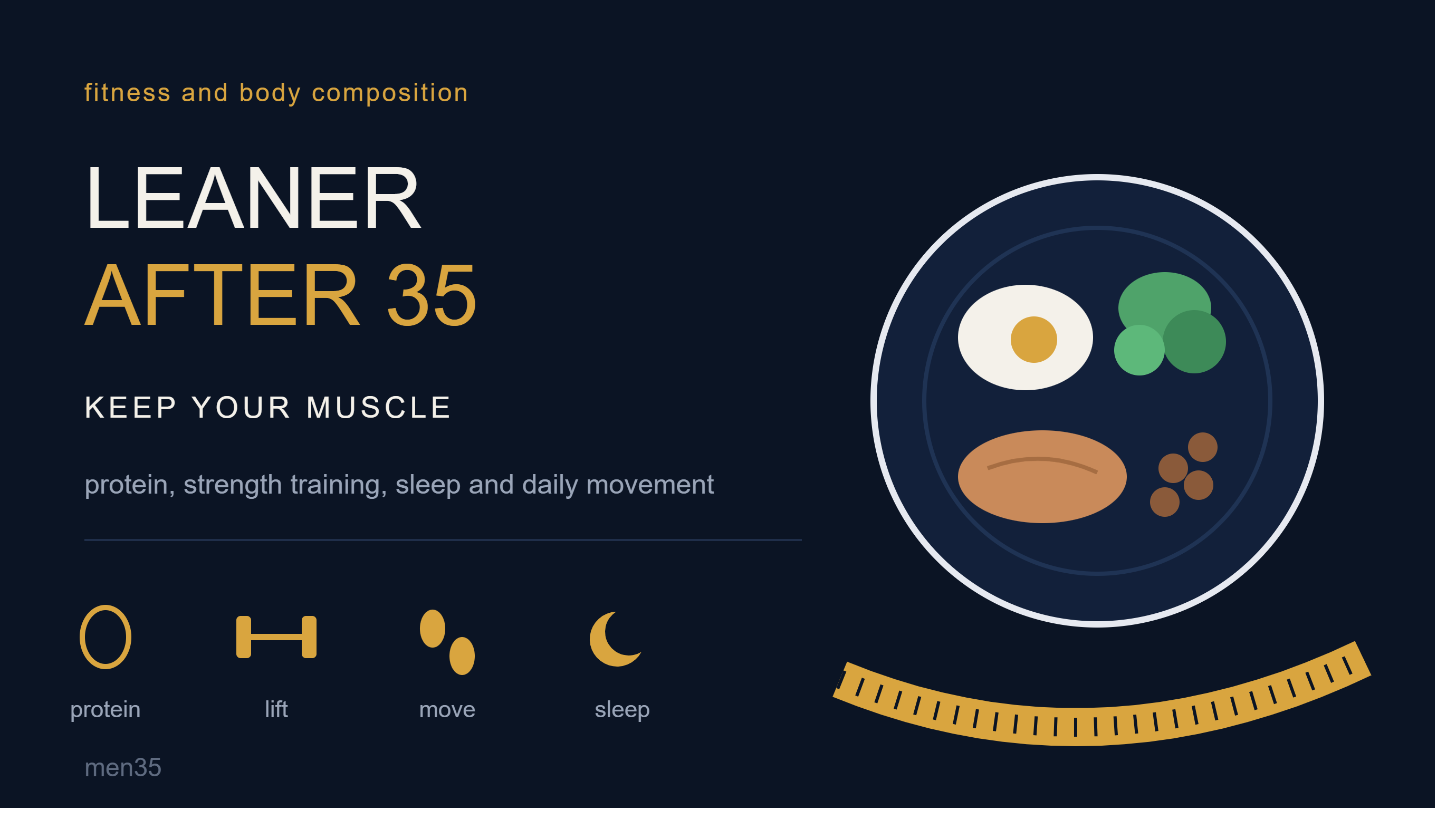
You don’t necessarily need to count every calorie to get leaner after 35. But you do need habits that help regulate appetite, maintain muscle, and keep your overall food intake appropriate. Here is what the evidence supports—and what it doesn’t. 𝗞𝗘𝗬 𝗕𝗘𝗡𝗘𝗙𝗜𝗧𝗦 • Build a sustainable eating routine without obsessive calorie tracking. • Prioritize protein to support muscle maintenance. • Choose filling, minimally processed foods more often. • Combine resistance training with regular daily movement. • Avoid extreme diets and unrealistic body-fat targets. 𝗪𝗛𝗬 𝗦𝗧𝗔𝗬𝗜𝗡𝗚 𝗟𝗘𝗔𝗡 𝗖𝗔𝗡 𝗙𝗘𝗘𝗟 𝗛𝗔𝗥𝗗𝗘𝗥 𝗔𝗙𝗧𝗘𝗥 𝟯𝟱 The familiar pattern is easy to recognize: work gets busier, sleep becomes less consistent, daily movement drops, and waist measurements slowly increase. Age alone does not make fat loss impossible. But changes in routine, muscle mass, appetite, sleep, and activity can make weight management more challenging. In the video, Paul Saladino describes maintaining a lean physique without strict calorie counting. His approach emphasizes protein, less-processed foods, strength training, sleep, and daily activity. Those habits are worth examining. However, his personal body-fat percentage is not proof that the same routine will produce the same result for everyone. 𝗦𝗧𝗔𝗥𝗧 𝗪𝗜𝗧𝗛 𝗙𝗢𝗢𝗗𝗦 𝗧𝗛𝗔𝗧 𝗞𝗘𝗘𝗣 𝗬𝗢𝗨 𝗙𝗨𝗟𝗟 Meals built around protein-rich foods, vegetables, fruit, legumes, and other fibre-rich foods can make it easier to manage hunger. Examples include eggs with whole-grain toast and fruit, chicken with vegetables and rice, or lentils with yoghurt and salad. Minimally processed foods are useful, but “natural” does not automatically mean low-calorie. Nuts, oils, honey, and fatty cuts of meat can all contribute substantial energy. You do not have to eliminate them; portion sizes and your overall dietary pattern still matter. The World Health Organization recommends a varied diet built around fruits, vegetables, legumes, whole grains, and other nutritious foods, with limits on excess free sugars, salt, and unhealthy fats. 𝗣𝗥𝗢𝗧𝗘𝗜𝗡 𝗛𝗘𝗟𝗣𝗦 𝗣𝗥𝗢𝗧𝗘𝗖𝗧 𝗠𝗨𝗦𝗖𝗟𝗘 Muscle becomes particularly important when your goal is to lose fat without looking or feeling weaker. A 2018 meta-analysis of 49 studies found that increasing protein intake helped support gains in muscle mass and strength during resistance training. The analysis suggested that benefits for muscle mass tended to level off at around 1.6 grams of protein per kilogram of body weight per day, although individual needs vary. You do not need to copy someone else’s exact protein target. Eggs, fish, poultry, dairy, soy foods, beans, and lentils can all contribute. If you have kidney disease or another condition that affects protein requirements, seek individualized advice from a qualified healthcare professional. 𝗧𝗥𝗔𝗜𝗡 𝗧𝗢 𝗞𝗘𝗘𝗣 𝗧𝗛𝗘 𝗠𝗨𝗦𝗖𝗟𝗘 𝗬𝗢𝗨 𝗛𝗔𝗩𝗘 Resistance training gives your body a reason to retain and build muscle. Aim to train the major muscle groups consistently, increasing the challenge gradually as your strength improves. Walking and other aerobic activities support cardiovascular health and help increase energy expenditure. You do not have to choose between lifting weights and cardio; they serve complementary purposes. For general health, the CDC recommends at least 150 minutes of moderate-intensity aerobic activity per week and muscle-strengthening activity on at least two days. 𝗬𝗢𝗨 𝗗𝗢𝗡’𝗧 𝗡𝗘𝗘𝗗 𝗔 𝗣𝗘𝗥𝗙𝗘𝗖𝗧 𝗗𝗜𝗘𝗧 A sustainable routine should fit your actual life. You can eat carbohydrates, enjoy meals with family, and include foods you like while still working toward a body-composition goal. Calorie tracking can help some people understand portions, but it is not mandatory for everyone. If you prefer not to track, pay attention to meal structure, hunger, fullness, portion sizes, and trends in your waist measurement and body weight. Remember that foods such as honey and fruit juice can contribute free sugars; they are not metabolically exempt simply because they are considered natural. 𝗠𝗘𝗡𝟯𝟱 𝗧𝗔𝗞𝗘𝗔𝗪𝗔𝗬 Build meals around nutritious foods, eat enough protein, lift weights, move regularly, and protect your sleep. Track progress using several measures rather than chasing a body-fat number that may be inaccurate or unnecessary. 𝗕𝗢𝗧𝗧𝗢𝗠 𝗟𝗜𝗡𝗘 Staying lean without strict dieting is possible for some people, but it is not effortless or guaranteed. You may not need to count every calorie, yet your overall energy intake still matters. Focus on habits you can maintain for years—not a short-lived transformation.

#fat loss#men over 35#healthy aging#body composition#protein intake#muscle maintenance#resistance training#strength training#nutrition#minimally processed foods#weight management#sustainable habits#calorie balance#sleep#daily movement#healthy lifestyle#fitness after 35#waist measurement#MEN35
Sleep, Stress and Fat Loss After 35: The Habits That Make Staying Lean EasierVideo

Sleep, Stress and Fat Loss After 35: The Habits That Make Staying Lean Easier

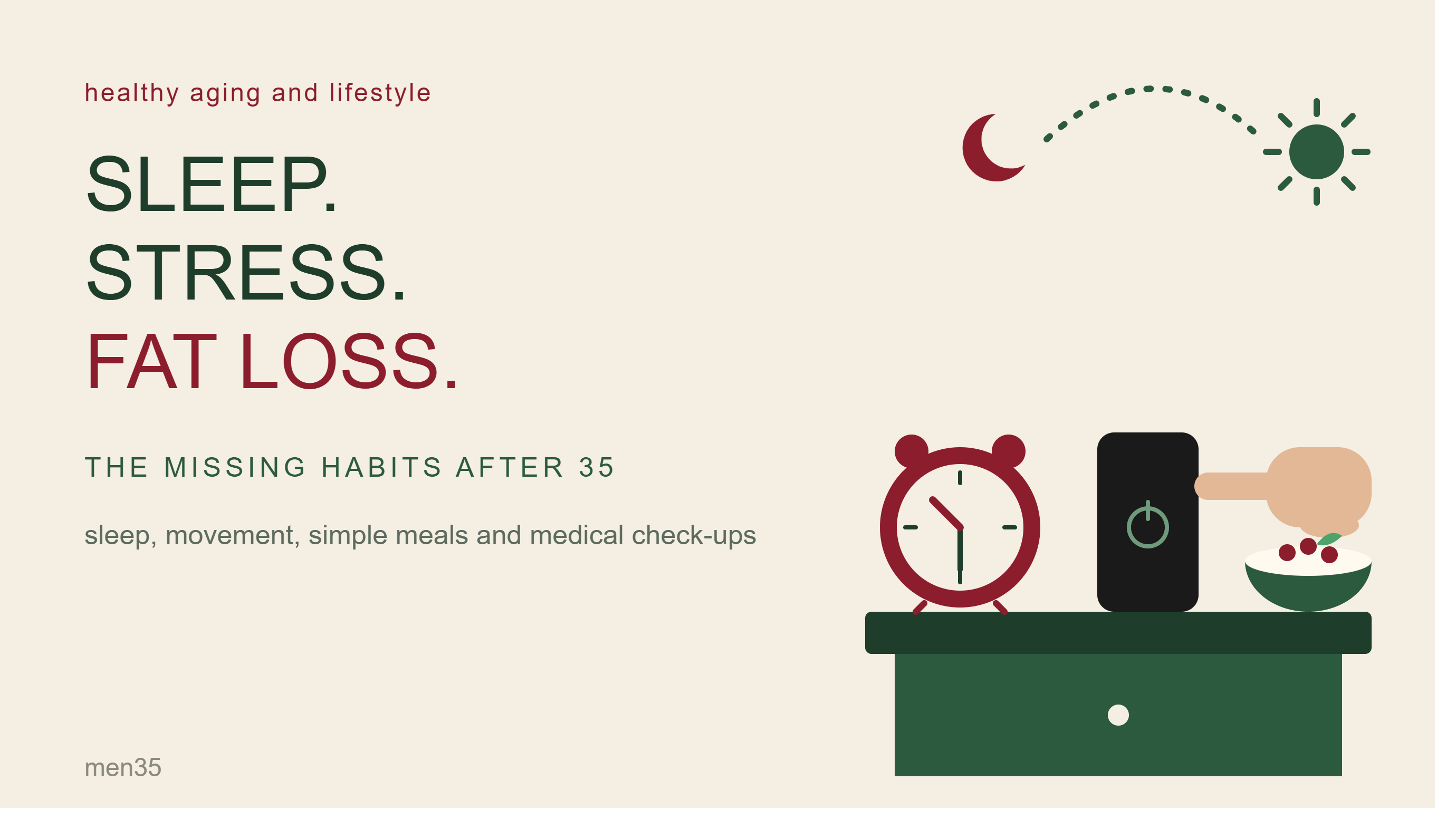
Food and exercise get most of the attention when men try to lose fat. But sleep, stress, and daily routines can influence appetite, energy, and consistency. Here is how to build a routine that supports fat management without relying on extreme dieting. 𝗞𝗘𝗬 𝗕𝗘𝗡𝗘𝗙𝗜𝗧𝗦 • Understand why sleep belongs in a fat-management plan. • Build routines that make healthier food choices easier. • Reduce dependence on motivation and willpower. • Recognize when medical symptoms deserve professional assessment. • Focus on repeatable habits instead of quick fixes. 𝗙𝗔𝗧 𝗟𝗢𝗦𝗦 𝗜𝗦 𝗡𝗢𝗧 𝗝𝗨𝗦𝗧 𝗔𝗕𝗢𝗨𝗧 𝗙𝗢𝗢𝗗 You can know what to eat and still struggle to follow through. A late night can lead to a rushed morning. Stress can leave you reaching for convenient food. A packed workday can replace a planned workout with hours of sitting. These patterns matter because long-term body composition is shaped by more than one meal or one training session. In the source video, Paul Saladino discusses sleep, sunlight, stress, activity, and thyroid testing alongside nutrition and exercise. The useful lesson is to consider the whole routine. It is not evidence that a particular sleep gadget, light colour, or laboratory target will make everyone lean. 𝗦𝗟𝗘𝗘𝗣 𝗔𝗡𝗗 𝗔𝗣𝗣𝗘𝗧𝗜𝗧𝗘 Insufficient sleep can affect how you feel and function, making it harder to maintain consistent eating and activity habits. It may also influence appetite and food choices in some people. Start with a regular sleep and wake time that allows enough opportunity for rest. Keep the bedroom comfortable, dark, and quiet, and reduce stimulating activities before bed if they interfere with sleep. You do not need an expensive sleep-tracking device or a complicated evening routine to begin. Try a consistent bedtime, a quieter wind-down period, and less late-night screen use if screens keep you awake. Persistent loud snoring, witnessed pauses in breathing, or significant daytime sleepiness warrant discussion with a healthcare professional because sleep disorders such as obstructive sleep apnoea may require assessment. 𝗠𝗔𝗞𝗘 𝗗𝗔𝗜𝗟𝗬 𝗠𝗢𝗩𝗘𝗠𝗘𝗡𝗧 𝗘𝗔𝗦𝗜𝗘𝗥 A workout is valuable, but it cannot always compensate for an otherwise sedentary day. Build movement into routines you already have: walk during phone calls, take short movement breaks, use stairs when practical, or walk after a meal. These small actions can add up without requiring a second gym session. The CDC recommends at least 150 minutes of moderate-intensity aerobic activity per week for adults, alongside muscle-strengthening activity on at least two days. Start where you are and increase gradually. 𝗘𝗔𝗧 𝗪𝗘𝗟𝗟 𝗪𝗛𝗘𝗡 𝗟𝗜𝗙𝗘 𝗚𝗘𝗧𝗦 𝗕𝗨𝗦𝗬 Stressful days are exactly when a simple food plan can help. Keep easy options available: yoghurt, eggs, fruit, beans, prepared vegetables, canned fish, or leftovers from a balanced meal. These choices can make it easier to eat well when you have little time to cook. You do not need to eliminate all packaged foods, carbohydrates, or dietary fat. A healthy dietary pattern can include a variety of foods. The WHO emphasizes balance, moderation, diversity, and adequate nutrition rather than one rigid menu. Pay attention to energy-dense extras as well. Oils, nut butters, honey, and large portions of snacks can contribute significant calories even when they contain useful nutrients. 𝗧𝗛𝗬𝗥𝗢𝗜𝗗 𝗧𝗘𝗦𝗧𝗜𝗡𝗚: 𝗪𝗛𝗘𝗡 𝗜𝗦 𝗜𝗧 𝗨𝗦𝗘𝗙𝗨𝗟? The thyroid helps regulate many processes in the body, and thyroid disorders can affect weight, energy, and other aspects of health. But difficulty losing fat does not automatically mean you have a thyroid problem. If you have persistent fatigue, unusual sensitivity to cold or heat, unexplained weight changes, or other concerning symptoms, discuss them with a qualified healthcare professional. They can decide whether thyroid testing is appropriate and interpret results in the context of your symptoms and medical history. Do not diagnose yourself using an influencer’s preferred laboratory ranges. Tests such as TSH and free T4 are commonly used in thyroid assessment; additional tests depend on the clinical situation. Reverse T3 or a broad panel of thyroid antibodies is not automatically necessary for everyone trying to lose weight. Most importantly, do not start thyroid medication or thyroid supplements for fat loss without a medical indication and professional supervision. 𝗦𝗧𝗥𝗘𝗦𝗦 𝗠𝗔𝗡𝗔𝗚𝗘𝗠𝗘𝗡𝗧 𝗜𝗦 𝗔 𝗣𝗥𝗔𝗖𝗧𝗜𝗖𝗔𝗟 𝗦𝗞𝗜𝗟𝗟 You cannot remove every source of stress, but you can make your response more manageable. Short walks, regular exercise, social support, planned breaks, and a realistic bedtime can help create structure during demanding periods. Avoid turning wellness into another source of pressure. Missing one workout or having an unplanned meal does not ruin progress. Return to your routine at the next opportunity rather than compensating with extreme restriction or excessive exercise. 𝗠𝗘𝗡𝟯𝟱 𝗧𝗔𝗞𝗘𝗔𝗪𝗔𝗬 Protect your sleep, build movement into the day, keep convenient nutritious foods available, and seek medical advice when symptoms warrant it. These habits support the consistency that long-term body-composition goals require. 𝗕𝗢𝗧𝗧𝗢𝗠 𝗟𝗜𝗡𝗘 No single sleep trick or hormone test guarantees a lean physique. A more reliable approach combines a sustainable eating pattern, regular exercise, adequate recovery, and appropriate medical care when needed. Make the healthy choice easier to repeat, even on a difficult day.

#sleep and fat loss#stress management#men over 35#healthy aging#thyroid health#thyroid testing#weight management#daily movement#physical activity#sleep routine#nutrition#healthy habits#appetite#recovery#sedentary lifestyle#metabolic health#sustainable fat loss#sleep quality#MEN35
Build Muscle After 35: The Training Strategy That Helps You Stay LeanVideo

Build Muscle After 35: The Training Strategy That Helps You Stay Lean

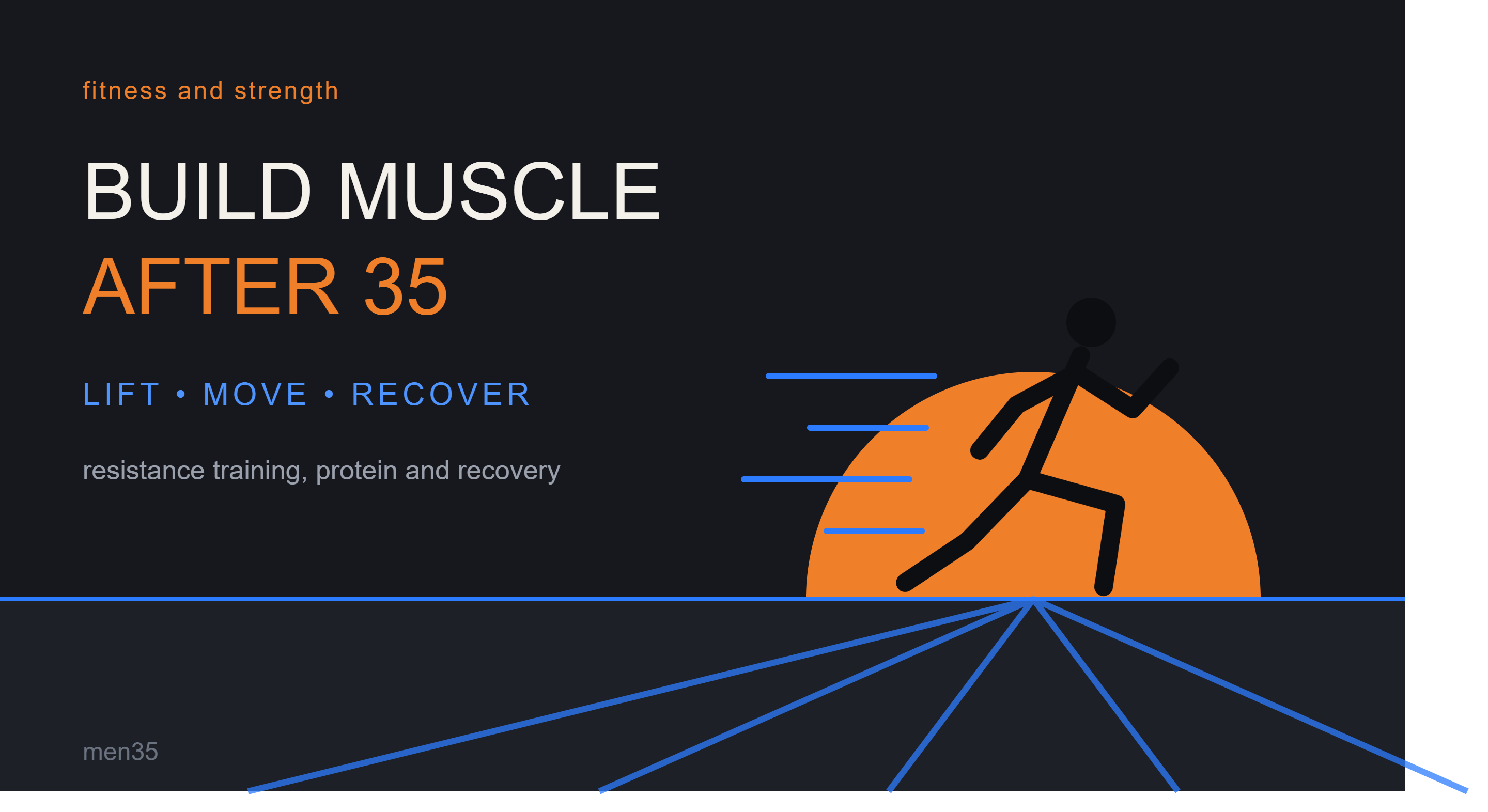
Want to stay lean as you get older? Don’t focus only on burning calories. Resistance training, adequate protein, and consistent activity can help you improve body composition while maintaining the strength you need for everyday life. 𝗞𝗘𝗬 𝗕𝗘𝗡𝗘𝗙𝗜𝗧𝗦 • Support muscle maintenance as you age. • Improve strength and physical function. • Combine weight training and cardio without overcomplicating your routine. • Use progressive overload to keep training productive. • Build a fitness routine that supports long-term health. 𝗪𝗛𝗬 𝗬𝗢𝗨𝗥 𝗪𝗢𝗥𝗞𝗢𝗨𝗧 𝗠𝗔𝗧𝗧𝗘𝗥𝗦 𝗔𝗙𝗧𝗘𝗥 𝟯𝟱 A lower number on the scale does not always mean better body composition. You can lose weight and lose muscle along with fat—particularly if you restrict food heavily and do little resistance training. That is why men over 35 should think beyond calorie burning. The aim is to improve fitness and manage body fat while retaining strength and muscle. In the source video, Paul Saladino emphasizes lifting weights, progressing gradually, staying active, and avoiding excessive reliance on cardio. The central idea that strength training matters is well supported by exercise research. His personal routine, however, is not the only effective way to train. 𝗠𝗔𝗞𝗘 𝗥𝗘𝗦𝗜𝗦𝗧𝗔𝗡𝗖𝗘 𝗧𝗥𝗔𝗜𝗡𝗜𝗡𝗚 𝗬𝗢𝗨𝗥 𝗔𝗡𝗖𝗛𝗢𝗥 You do not need an elaborate gym or a bodybuilder’s schedule to get started. A basic routine can include: • Squats or a suitable leg-press variation. • Push-ups or a chest-press movement. • Rows or another pulling exercise. • Hip hinges, such as a suitable deadlift variation. • Core exercises that match your current ability. Start with a manageable workload and use a range of motion you can control. Increase repetitions, resistance, or difficulty gradually. Training to complete failure on every set is not necessary for most people. If you have persistent pain, a significant medical condition, or a long period of inactivity, consider professional guidance before beginning an intense programme. 𝗣𝗥𝗢𝗧𝗘𝗜𝗡 𝗦𝗨𝗣𝗣𝗢𝗥𝗧𝗦 𝗧𝗛𝗘 𝗧𝗥𝗔𝗜𝗡𝗜𝗡𝗚 Exercise provides the stimulus; nutrition supplies the resources. A 2018 systematic review and meta-analysis found that protein supplementation could improve gains in muscle mass and strength during prolonged resistance training. The additional benefit tended to level off around a total intake of 1.6 grams per kilogram of body weight per day in the studies analysed. That is a useful reference point, not a universal prescription. Needs differ with training, age, total energy intake, health, and individual circumstances. Food-first options include eggs, yoghurt, fish, chicken, tofu, beans, and lentils. Supplements can be convenient, but they are not required if you already obtain enough protein from food. 𝗗𝗢𝗡’𝗧 𝗧𝗥𝗘𝗔𝗧 𝗖𝗔𝗥𝗗𝗜𝗢 𝗔𝗦 𝗧𝗛𝗘 𝗘𝗡𝗘𝗠𝗬 Walking, cycling, swimming, and running can support cardiovascular fitness, help manage energy expenditure, and improve health. Cardio does not automatically cause muscle loss. The outcome depends on factors such as training volume, nutrition, recovery, and the type of exercise. For many men, a practical combination is two or three full-body resistance sessions per week alongside regular walking or other aerobic activity. The ideal schedule depends on experience, recovery, preferences, and available time. The CDC recommends that adults aim for at least 150 minutes of moderate-intensity aerobic activity per week and muscle-strengthening activity on at least two days. 𝗥𝗘𝗖𝗢𝗩𝗘𝗥𝗬 𝗜𝗦 𝗣𝗔𝗥𝗧 𝗢𝗙 𝗧𝗛𝗘 𝗣𝗟𝗔𝗡 Training is only one part of the process. Sleep, adequate food, and sensible scheduling help you recover between sessions. If performance is consistently declining, soreness is persistent, or you feel exhausted, adding more workouts may not be the answer. Review training load, sleep, nutrition, and possible health issues rather than assuming that more effort always produces better results. You also do not need to maintain an exceptionally low body-fat percentage to benefit from exercise. Strength, mobility, cardiovascular health, and the ability to carry out daily activities are meaningful goals in their own right. 𝗠𝗘𝗡𝟯𝟱 𝗧𝗔𝗞𝗘𝗔𝗪𝗔𝗬 Train your major muscle groups consistently, increase the challenge gradually, eat enough protein, and keep aerobic activity in your routine. Your plan should be challenging enough to make progress but manageable enough to repeat week after week. 𝗕𝗢𝗧𝗧𝗢𝗠 𝗟𝗜𝗡𝗘 The most useful training plan is not the one that leaves you exhausted. It is the one that builds strength, supports your health, and fits your life. After 35, train for the body you want to keep—not just the calories you want to burn today.

#strength training#men over 35#muscle maintenance#resistance training#protein intake#body composition#fat loss#cardio#progressive overload#recovery#healthy aging#muscle strength#fitness after 35#physical activity#exercise routine#weight training#cardiovascular health#protein foods#MEN35

The monthly one-pager

Best of the grid, sent on the 5th of each month.

The Fastest Way to Burn Body Fat After 35: Cardio, HIIT or Weights?Video

The Fastest Way to Burn Body Fat After 35: Cardio, HIIT or Weights?

High-intensity workouts promise quick results, but which exercise method actually helps reduce body fat? Research supports aerobic exercise for reducing fat, resistance training for maintaining muscle and HIIT as a time-efficient option for suitable individuals. Here is how to combine them sensibly after 35. Key Benefits • Understand what research says about aerobic exercise and body fat. • Learn the potential advantages and limitations of HIIT. • Discover why resistance training matters during weight loss. • Understand why crunches cannot selectively burn belly fat. • Follow a practical weekly exercise template. 𝗜𝗦 𝗧𝗛𝗘𝗥𝗘 𝗢𝗡𝗘 𝗙𝗔𝗦𝗧𝗘𝗦𝗧 𝗙𝗔𝗧-𝗕𝗨𝗥𝗡𝗜𝗡𝗚 𝗪𝗢𝗥𝗞𝗢𝗨𝗧? The promise is attractive: find the right workout, burn fat faster and transform your body in less time. But no single exercise is the best option for every person. Your results depend on your overall energy balance, training programme, current fitness, recovery and consistency. A workout that burns substantial energy but leaves you too exhausted to repeat it may be less useful than a moderate session you can maintain throughout the week. For men over 35, the objective is to reduce excess fat while maintaining muscle, strength and cardiovascular health. The best programme is usually not an either-or choice between cardio and weights. Each serves a different purpose. 𝗪𝗛𝗔𝗧 𝗧𝗛𝗘 𝗥𝗘𝗦𝗘𝗔𝗥𝗖𝗛 𝗦𝗔𝗬𝗦 𝗔𝗕𝗢𝗨𝗧 𝗖𝗔𝗥𝗗𝗜𝗢 Walking briskly, cycling, swimming and jogging are examples of aerobic exercise. They increase energy expenditure and can improve cardiovascular fitness. A 2024 systematic review and dose-response meta-analysis published in JAMA Network Open examined 116 randomized clinical trials involving 6,880 adults with overweight or obesity. The researchers found that increasing weekly amounts of moderate-to-vigorous aerobic exercise were associated with reductions in body weight, waist circumference and body fat. Exercise durations of at least 150 minutes per week were associated with clinically important reductions in waist circumference and body-fat measures. This does not mean everyone must begin with 150 minutes immediately. The research included structured programmes, and individual results vary. If you are inactive, begin with shorter, comfortable sessions and build up gradually. For example: • Start with a 10–15-minute brisk walk on most days. • Gradually extend sessions as your fitness improves. • Aim toward 150 minutes of moderate aerobic activity per week if appropriate for your health and ability. • Increase duration or intensity gradually rather than trying to do everything at once. You can divide activity into shorter sessions. Regular movement is more useful than waiting for the perfect workout. 𝗪𝗛𝗘𝗥𝗘 𝗛𝗜𝗜𝗧 𝗙𝗜𝗧𝗦 𝗜𝗡 High-intensity interval training, or HIIT, alternates periods of hard effort with recovery periods. Depending on the exercise and your fitness level, intervals might involve cycling, running or uphill walking. The hard periods should be challenging but appropriate for your ability. HIIT can improve cardiorespiratory fitness and make efficient use of limited training time. However, it is not a magic fat-burning switch. You can lose body fat without doing HIIT. Moderate-intensity exercise may be easier to sustain, especially for beginners or people returning after a long break. If you have cardiovascular disease, significant joint problems or other health concerns, seek appropriate medical guidance before beginning vigorous intervals. Start with a level of activity you can perform safely and recover from. 𝗪𝗛𝗬 𝗪𝗘𝗜𝗚𝗛𝗧𝗦 𝗠𝗔𝗧𝗧𝗘𝗥 𝗪𝗛𝗘𝗡 𝗬𝗢𝗨 𝗟𝗢𝗦𝗘 𝗙𝗔𝗧 Weight loss and fat loss are not exactly the same thing. When body weight decreases, some of that loss can come from lean tissue as well as fat. Resistance training helps provide the stimulus needed to maintain or build muscle. That matters because muscle supports strength, physical function and everyday activity. A practical strength programme can include: • Squats or suitable leg-press variations. • Rows and other pulling movements. • Push-ups, chest presses or other pushing exercises. • Hip-hinge movements appropriate to your ability. • Core exercises for stability and strength. Choose exercises you can perform with good technique. Start with manageable resistance and progress gradually. Training the major muscle groups at least twice a week is a useful general target for many adults, although your starting point should reflect your experience, health and recovery. Protein-rich meals can complement resistance training by providing the amino acids required for muscle maintenance. 𝗪𝗛𝗬 𝗔𝗕 𝗪𝗢𝗥𝗞𝗢𝗨𝗧𝗦 𝗗𝗢𝗡’𝗧 𝗦𝗣𝗢𝗧-𝗥𝗘𝗗𝗨𝗖𝗘 𝗙𝗔𝗧 Crunches and sit-ups strengthen abdominal muscles, but they do not reliably force the body to burn fat specifically from the stomach. Your body determines where fat is mobilised and lost. Genetics and individual biology influence the pattern. If reducing waist size is your goal, combine overall fat-loss habits with aerobic activity and resistance training. Keep abdominal exercises for their genuine benefits rather than treating them as a shortcut to a flat stomach. 𝗔 𝗣𝗥𝗔𝗖𝗧𝗜𝗖𝗔𝗟 𝗪𝗘𝗘𝗞𝗟𝗬 𝗣𝗟𝗔𝗡 Here is an example for a generally healthy adult who can tolerate this level of activity: • Monday: Full-body resistance training. • Tuesday: 25–30 minutes of brisk walking or cycling. • Wednesday: Full-body resistance training. • Thursday: 25–30 minutes of moderate aerobic activity. • Friday: Full-body resistance training or a comfortable recovery walk. • Saturday: Walking, cycling, swimming or another enjoyable activity. • Sunday: Rest or gentle movement. This is a starting template, not a medical prescription. Beginners may need fewer sessions or shorter workouts. Experienced exercisers can adapt the schedule to their programme and recovery. Pair exercise with a sustainable eating pattern that supports a calorie deficit. Avoid trying to compensate for an entire week of overeating with one exhausting workout. 𝗧𝗛𝗘 𝗠𝗘𝗡𝟯𝟱 𝗧𝗔𝗞𝗘𝗔𝗪𝗔𝗬 Do not search endlessly for a single perfect fat-burning exercise. Use aerobic activity to increase energy expenditure and improve cardiovascular fitness. Use resistance training to support muscle and strength. Consider HIIT if it suits your fitness level, schedule and recovery. Then repeat the routine consistently while following a nutrition plan that supports gradual fat loss. 𝗕𝗢𝗧𝗧𝗢𝗠 𝗟𝗜𝗡𝗘 There is no universally fastest workout for burning body fat. Aerobic exercise has strong evidence for reducing waist circumference and body fat, resistance training helps preserve muscle, and HIIT can be useful for suitable individuals. The winning strategy is the one that fits your life, protects your health and allows you to keep progressing.

#TAGS MEN35#fat loss#body fat#men over 35#cardio#aerobic exercise#HIIT#strength training#resistance training#belly fat#muscle preservation#weight management#fitness#healthy ageing#exercise science#waist circumference#body composition#cardiovascular fitness#sustainable weight loss#physical activity
The Fat-Loss Blueprint After 35: Lose Fat Without Sacrificing MuscleVideo

The Fat-Loss Blueprint After 35: Lose Fat Without Sacrificing Muscle

Losing body fat does not require an extreme diet, endless cardio or expensive supplements. For men over 35, a sustainable calorie deficit, adequate protein, sensible portions and regular exercise provide a practical foundation for improving body composition. Key Benefits • Understand the role of calorie balance in fat loss. • Learn how protein supports muscle maintenance. • Identify everyday habits that may increase calorie intake. • Discover why abdominal exercises cannot selectively remove belly fat. • Build a sustainable plan for reducing excess body fat. 𝗧𝗛𝗘 𝗙𝗔𝗧-𝗟𝗢𝗦𝗦 𝗣𝗥𝗢𝗕𝗟𝗘𝗠 𝗜𝗦 𝗡𝗢𝗧 𝗔𝗟𝗪𝗔𝗬𝗦 𝗪𝗛𝗔𝗧 𝗬𝗢𝗨 𝗘𝗔𝗧 You can choose foods that appear healthy, exercise several times a week and still struggle to lose fat. Why? Because healthy food choices and calorie balance are related, but they are not the same thing. Nuts, olive oil, granola and smoothies can all fit into a healthy diet. Yet large portions can contribute substantial calories. On the other hand, eating less without considering protein, nutrients and exercise can make it harder to maintain muscle. For men over 35, the goal should not simply be to weigh less. It should be to reduce excess fat while preserving strength, muscle and the ability to stay active. 𝗧𝗛𝗘 𝗙𝗢𝗨𝗡𝗗𝗔𝗧𝗜𝗢𝗡: 𝗔 𝗦𝗨𝗦𝗧𝗔𝗜𝗡𝗔𝗕𝗟𝗘 𝗖𝗔𝗟𝗢𝗥𝗜𝗘 𝗗𝗘𝗙𝗜𝗖𝗜𝗧 Over time, body fat generally decreases when energy intake remains below the energy the body uses. This is known as a calorie deficit. You do not necessarily need to count every calorie. Start by examining the habits that contribute most to your daily intake. • Reduce oversized portions of calorie-dense foods. • Limit sugary drinks if you consume them regularly. • Pay attention to oils, dressings, sauces and frequent snacks. • Include vegetables, fruit and high-fibre foods. • Eat meals that provide enough protein to support your training and recovery. Avoid crash diets. A plan that leaves you constantly hungry, exhausted or unable to train may be difficult to maintain. The best approach is one that produces steady progress while allowing you to live normally. 𝗣𝗥𝗢𝗧𝗘𝗜𝗡: 𝗬𝗢𝗨𝗥 𝗠𝗨𝗦𝗖𝗟𝗘-𝗣𝗥𝗢𝗧𝗘𝗖𝗧𝗜𝗢𝗡 𝗣𝗔𝗥𝗧𝗡𝗘𝗥 When you lose weight, not every kilogram lost necessarily comes from fat. Some lean tissue can also be lost, particularly when weight reduction is aggressive or resistance training and protein intake are inadequate. Protein provides the amino acids needed to build and maintain muscle. It can also help make meals more satisfying. Useful sources include: • Eggs, fish, chicken and lean meat. • Milk, cottage cheese and plain yogurt. • Lentils, beans, chickpeas and tofu. Include a protein source in your main meals and combine it with resistance training. Protein powders may be convenient, but they are not essential. Ordinary foods can provide the protein you need. If you have kidney disease or have been advised to restrict protein, discuss your intake with a qualified healthcare professional. 𝗗𝗢𝗡’𝗧 𝗜𝗚𝗡𝗢𝗥𝗘 𝗧𝗛𝗘 𝗘𝗫𝗧𝗥𝗔𝗦 Small habits can add up. A sweetened coffee, a handful of nuts, a generous pour of cooking oil and a few spoonfuls of sauce may each seem insignificant. Repeated regularly, however, they can make it harder to maintain the energy deficit needed for fat loss. You do not need to eliminate these foods. Instead, pay attention to portions and choose where you want to spend your calories. A useful starting point is to review your usual meals and identify one or two changes you can sustain. 𝗪𝗛𝗬 𝗖𝗥𝗨𝗡𝗖𝗛𝗘𝗦 𝗪𝗢𝗡’𝗧 𝗠𝗘𝗟𝗧 𝗕𝗘𝗟𝗟𝗬 𝗙𝗔𝗧 Abdominal exercises strengthen the muscles around your midsection, but they do not reliably make your body burn fat specifically from your stomach. Where fat is lost first varies between individuals. Genetics and other biological factors influence fat distribution. To reduce waist size, focus on overall fat loss through nutrition, aerobic activity and resistance training. Keep crunches and planks in your programme if you want stronger core muscles, but do not rely on them as a targeted fat-loss method. 𝗔 𝗦𝗜𝗠𝗣𝗟𝗘 𝗣𝗟𝗔𝗡 𝗧𝗢 𝗦𝗧𝗔𝗥𝗧 𝗧𝗛𝗜𝗦 𝗪𝗘𝗘𝗞 Try these four steps: • Build your main meals around a protein source. • Check portions of calorie-dense foods and drinks. • Walk regularly and gradually increase your activity. • Perform resistance training appropriate to your fitness level. Monitor your weight trend and waist measurement over several weeks. Daily weight can fluctuate because of water retention, salt intake, digestion and other factors. If progress stalls, review your overall routine before assuming that you need a supplement or a more extreme diet. 𝗧𝗛𝗘 𝗠𝗘𝗡𝟯𝟱 𝗧𝗔𝗞𝗘𝗔𝗪𝗔𝗬 The fundamentals are straightforward: eat an appropriate amount, prioritise protein, move regularly and train your muscles. You do not need to fear carbohydrates, avoid every sweet food or follow an extreme fasting schedule. Consistency with a realistic plan is more valuable than repeatedly starting and abandoning restrictive diets. 𝗕𝗢𝗧𝗧𝗢𝗠 𝗟𝗜𝗡𝗘 The most effective fat-loss plan is one that helps you maintain a sustainable calorie deficit while protecting muscle and supporting your health. For men over 35, the focus should be better body composition, strength and long-term consistency—not the fastest possible drop on the scale.

#MEN35#fat loss#men over 35#body fat#nutrition#protein#calorie deficit#weight management#muscle preservation#resistance training#aerobic exercise#belly fat#portion control#healthy eating#body composition#healthy ageing#metabolism#fitness#sustainable weight loss#exercise science
Hidden Sugar Traps: Healthy Foods That Could Be Slowing Your Fat Loss After 35Podcast

Hidden Sugar Traps: Healthy Foods That Could Be Slowing Your Fat Loss After 35

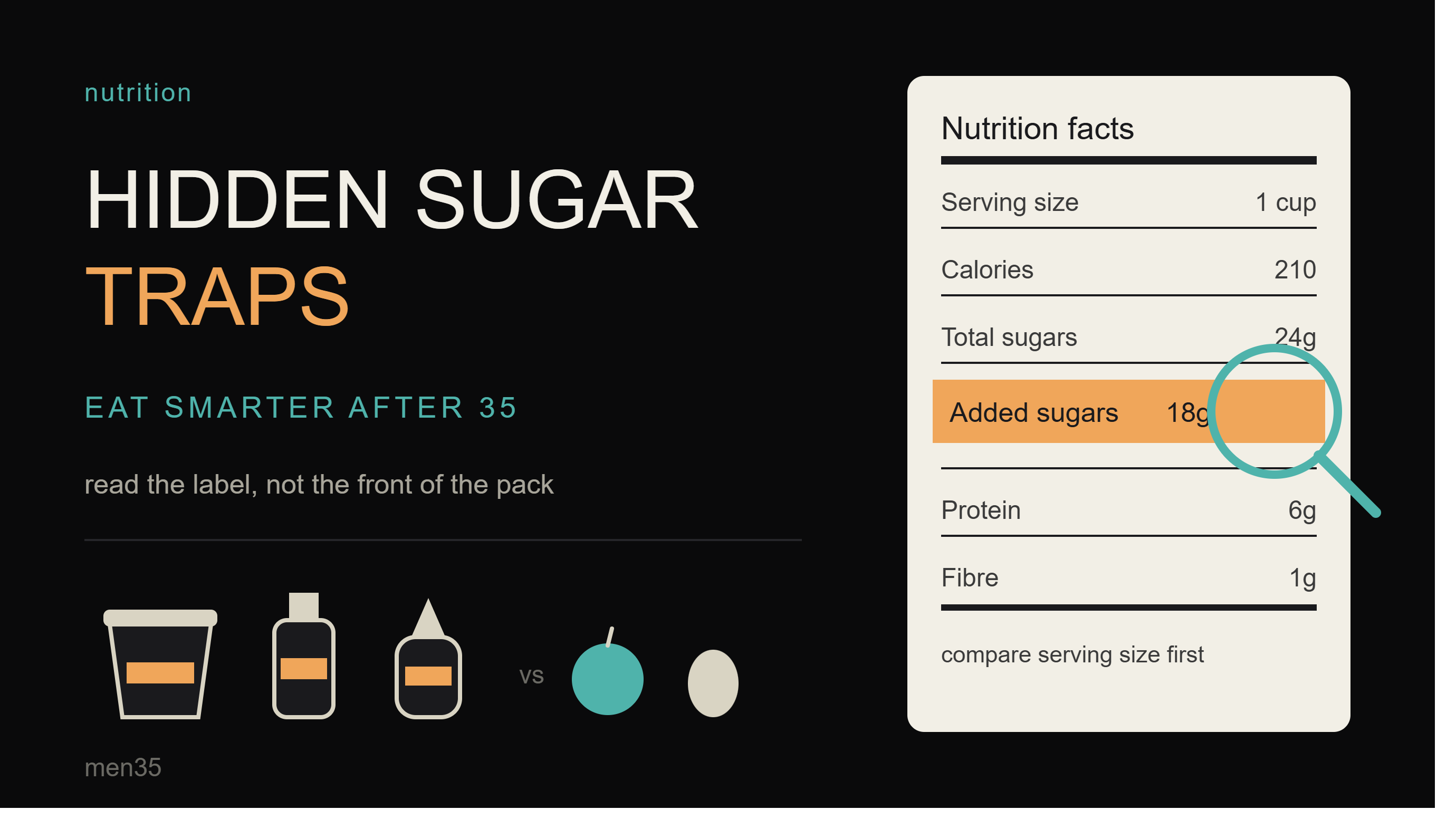
Flavoured yogurt, granola, bottled coffee and sauces can contain more added sugar than you expect. For men over 35 trying to lose excess body fat, understanding nutrition labels and portion sizes can help improve food choices without banning carbohydrates or giving up favourite foods. Key Benefits • Identify five common sources of added sugar. • Learn how to read packaged-food labels. • Understand the relationship between sugar, calories and fat loss. • Discover practical alternatives for everyday meals. • Build healthier eating habits without unnecessary restrictions. 𝗧𝗛𝗘 𝗛𝗘𝗔𝗟𝗧𝗛𝗬 𝗙𝗢𝗢𝗗 𝗧𝗥𝗔𝗣 You choose flavoured yogurt instead of dessert. You pour a bowl of granola because it looks nutritious. You grab a bottled coffee drink on the way to work. These choices may seem healthy, but some products contain substantial added sugar or more calories than you expect. That does not mean yogurt, oats or granola are automatically unhealthy. The ingredients, portion size and overall diet matter. For men over 35, the goal is not to fear sugar. It is to recognise where added sugar and excess calories may be accumulating, then make changes that support a sustainable approach to fat loss. 𝗙𝗜𝗩𝗘 𝗙𝗢𝗢𝗗𝗦 𝗪𝗢𝗥𝗧𝗛 𝗖𝗛𝗘𝗖𝗞𝗜𝗡𝗚 • 1. FLAVOURED YOGURT Yogurt can provide protein and calcium, but some flavoured varieties contain considerable added sugar. Compare the nutrition labels of similar products. Plain yogurt with fresh fruit is one alternative if you want more control over sweetness. Do not assume that every flavoured yogurt is unhealthy. Check its overall nutritional profile and choose a portion that fits your needs. • 2. GRANOLA AND BREAKFAST CEREALS Oats and whole grains can be nutritious. However, some granolas and breakfast cereals include added sugar, oils and calorie-dense ingredients. Portions matter, too. A bowl filled by eye may contain substantially more than the serving size printed on the package. Try measuring your usual portion once. This gives you a more realistic idea of how much you are eating. • 3. BOTTLED COFFEE AND SWEETENED DRINKS Sweetened coffees, soft drinks, energy drinks and other sugary beverages can add calories without providing the same fullness as a substantial meal. If these drinks are a regular habit, consider replacing some of them with water, sparkling water, unsweetened tea or coffee. You do not need to change everything overnight. Reducing a frequently consumed sugary drink can be a manageable first step. • 4. SMOOTHIES AND FRUIT DRINKS Whole fruit provides fibre, vitamins and other useful nutrients. But a large smoothie containing fruit juice, sweetened yogurt, syrups and multiple portions of fruit can deliver a substantial amount of energy. Smoothies are not inherently bad; their ingredients and serving size determine how they fit into your diet. When possible, use whole fruit and check how much sweetened liquid or other calorie-dense ingredients you add. • 5. SAUCES AND SALAD DRESSINGS Barbecue sauce, ketchup, sweet chilli sauce and some dressings can contain added sugar. The amount depends on the product and the serving. You do not need to eliminate sauces, but checking the label and using sensible portions can help you make more informed choices. 𝗧𝗛𝗘 𝟯𝟬-𝗦𝗘𝗖𝗢𝗡𝗗 𝗙𝗢𝗢𝗗 𝗟𝗔𝗕𝗘𝗟 𝗖𝗛𝗘𝗖𝗞 Before buying a packaged food, look at four things: • Serving size: Is the label describing a smaller portion than you usually eat? • Added sugars: How much added sugar is listed per serving? • Calories: How much energy will your actual portion provide? • Protein and fibre: Will the food contribute to a filling, balanced meal? Compare similar products rather than judging a food by one number alone. A product with less sugar is not automatically lower in calories. Likewise, total sugar is not the same as added sugar: plain milk and whole fruit naturally contain sugars. The U.S. Food and Drug Administration explains how added sugars appear on the Nutrition Facts label. This information can help you compare packaged foods more accurately. 𝗪𝗛𝗬 𝗦𝗨𝗚𝗔𝗥 𝗜𝗦𝗡’𝗧 𝗧𝗛𝗘 𝗪𝗛𝗢𝗟𝗘 𝗦𝗧𝗢𝗥𝗬 Sugar is often blamed for every difficulty with weight management. The science is more nuanced. Body weight is influenced by energy intake and expenditure over time, alongside biological, behavioural and environmental factors. Consistently consuming more energy than your body uses can make fat loss difficult, regardless of whether the calories come from sugary foods or other sources. Foods and drinks high in added sugar can contribute to excess calorie intake, particularly when portions are large or the products are not very filling. But sugar itself does not automatically cause fat gain independently of the overall diet. You do not need to eliminate rice, bread, potatoes, oats or fruit to lose body fat. The more useful approach is to consider overall food quality, portions, activity and consistency. 𝗘𝗔𝗧 𝗙𝗢𝗥 𝗙𝗔𝗧 𝗟𝗢𝗦𝗦—𝗔𝗡𝗗 𝗣𝗥𝗢𝗧𝗘𝗖𝗧 𝗬𝗢𝗨𝗥 𝗠𝗨𝗦𝗖𝗟𝗘 A balanced eating pattern can include: • Protein: eggs, fish, chicken, lean meat, plain yogurt, tofu, lentils and beans. • Vegetables: a variety of colours and types. • Fruit: whole fruit as part of your daily diet. • High-fibre carbohydrates: oats, beans, whole grains, rice or potatoes in suitable portions. • Unsaturated fats: nuts, seeds and oils such as olive oil, in appropriate amounts. Protein helps support muscle maintenance, especially when combined with resistance training. During weight loss, this matters because the aim is to reduce excess fat without unnecessarily sacrificing lean tissue. You do not need expensive supplements or special fat-burning products to begin. Start by improving the everyday choices that make up most of your diet. 𝗔 𝗦𝗜𝗠𝗣𝗟𝗘 𝗦𝗘𝗩𝗘𝗡-𝗗𝗔𝗬 𝗖𝗛𝗔𝗟𝗟𝗘𝗡𝗚𝗘 For the next seven days, try these practical changes: • Replace a regularly consumed sugary drink with an unsweetened alternative. • Compare the added-sugar content of two breakfast products. • Measure your usual portion of granola, dressing or sauce. • Include a protein source in each main meal. • Choose whole fruit more often than sweetened fruit drinks. You do not need to make every change at once. Pick the habits most relevant to your current diet and repeat them consistently. Measure progress over several weeks rather than expecting a dramatic overnight change. 𝗧𝗛𝗘 𝗠𝗘𝗡𝟯𝟱 𝗧𝗔𝗞𝗘𝗔𝗪𝗔𝗬 Healthy-looking packaging does not tell the whole nutritional story. Flavoured yogurt, granola, bottled drinks and sauces can contain added sugar or more calories than you realise. Reading labels helps you make informed decisions, but it does not mean you must avoid every product that contains sugar. For men over 35, a sustainable approach combines balanced meals, appropriate portions, adequate protein and regular physical activity. 𝗕𝗢𝗧𝗧𝗢𝗠 𝗟𝗜𝗡𝗘 The goal is not to fear sugar. It is to understand your food choices. Check serving sizes, compare added sugars, choose nutritious foods regularly, and pay attention to your overall energy intake. These practical habits can help support fat loss without unnecessary restrictions or unrealistic promises.

#MEN35#hidden sugar#added sugar#fat loss#men over 35#nutrition#healthy eating#food labels#flavoured yogurt#granola#breakfast cereal#sugary drinks#smoothies#portion control#calorie balance#protein#muscle maintenance#weight management#healthy ageing#metabolic health
Your Mood, Stress and Mitochondria: What the Research Really ShowsStudy

Your Mood, Stress and Mitochondria: What the Research Really Shows

Chronic stress affects more than how you feel. Researchers are investigating its relationship with cellular energy, mitochondrial function and biological ageing. Dr. Elissa Epel discusses findings from caregiver research—and why these intriguing connections should not be mistaken for proof of cause and effect. KEY BENEFITS • Understand what mitochondria do and why researchers study them in stress research. • Explore findings involving caregiving stress and mitochondrial activity. • Learn why daily mood and recovery deserve attention. • Separate early biological findings from proven anti-ageing interventions. 𝗖𝗔𝗡 𝗖𝗛𝗥𝗢𝗡𝗜𝗖 𝗦𝗧𝗥𝗘𝗦𝗦 𝗔𝗙𝗙𝗘𝗖𝗧 𝗬𝗢𝗨𝗥 𝗖𝗘𝗟𝗟𝗦? You finish another demanding day feeling mentally drained. Your body is tired, your mood is low and even small tasks seem harder than usual. Could persistent stress be connected to changes happening inside your cells? Scientists are investigating that question, including the role of mitochondria—the structures that help cells produce usable energy. In a Huberman Lab conversation, Dr. Elissa Epel discusses research examining chronic stress, caregiving, mood and mitochondrial activity. The findings are interesting, but the distinction between an association and a proven cause matters. 𝗠𝗜𝗧𝗢𝗖𝗛𝗢𝗡𝗗𝗥𝗜𝗔: 𝗬𝗢𝗨𝗥 𝗖𝗘𝗟𝗟𝗦’ 𝗘𝗡𝗘𝗥𝗚𝗬 𝗦𝗬𝗦𝗧𝗘𝗠 Mitochondria help produce ATP, the molecule cells use to power many biological processes. Their function is relevant to energy metabolism, and researchers study whether prolonged psychological stress may be associated with changes in mitochondrial activity. Epel describes research involving people experiencing substantial caregiving demands. The research examined markers related to mitochondrial function alongside measures of stress and daily emotional wellbeing. The discussion raises an important possibility: the relationship between stress and health may involve biological processes, not just how stressed someone says they feel. 𝗪𝗛𝗔𝗧 𝗗𝗜𝗗 𝗧𝗛𝗘 𝗥𝗘𝗦𝗘𝗔𝗥𝗖𝗛 𝗙𝗜𝗡𝗗? The episode describes research in which caregivers, including mothers caring for children with significant additional needs, showed differences in measures of mitochondrial activity. Within-day patterns of mitochondrial markers and mood were also discussed. These observations are scientifically relevant, but they have limits. • They do not establish that stress alone caused the differences. • They do not prove that improving mood directly restores mitochondrial function. • They do not show that a supplement can reverse cellular ageing. • Findings from specific caregiver groups cannot automatically be generalised to every man over 35. Researchers need further studies to understand direction, mechanisms and the practical significance of these relationships. 𝗪𝗛𝗬 𝗗𝗔𝗜𝗟𝗬 𝗥𝗘𝗖𝗢𝗩𝗘𝗥𝗬 𝗠𝗔𝗧𝗧𝗘𝗥𝗦 You do not need to measure your mitochondria to take stress seriously. A more useful starting point is to look at the patterns in your everyday life. • Protect a consistent sleep schedule where possible. • Include regular physical activity that suits your ability and health. • Maintain social connections rather than carrying every burden alone. • Notice whether you finish the day with any time for rest, enjoyment or meaningful activity. • Seek professional support if stress, low mood or exhaustion persist or interfere with daily functioning. These habits support general wellbeing. They should not be presented as proven ways to reverse mitochondrial ageing. 𝗗𝗢𝗡’𝗧 𝗖𝗢𝗡𝗙𝗨𝗦𝗘 𝗕𝗜𝗢𝗟𝗢𝗚𝗬 𝗪𝗜𝗧𝗛 𝗔𝗡𝗧𝗜-𝗔𝗚𝗘𝗜𝗡𝗚 𝗣𝗥𝗢𝗠𝗜𝗦𝗘𝗦 Research into stress, mitochondria and ageing is still developing. A biomarker can reveal something about biology without proving that changing it will make people live longer or healthier lives. That distinction matters in a market full of products claiming to improve cellular energy or slow ageing. There is no basis from this discussion alone to recommend a particular supplement or claim that a stress-management technique reverses biological ageing. 𝗧𝗛𝗘 𝗠𝗘𝗡𝟯𝟱 𝗧𝗔𝗞𝗘𝗔𝗪𝗔𝗬 Stress deserves attention even when you cannot see its effects in a laboratory test. Pay attention to sleep, energy, mood and how well you recover after demanding periods. If exhaustion is persistent, do not automatically blame stress. A healthcare professional can help assess other possible causes. BOTTOM LINE Mitochondria offer researchers a valuable window into the biology of stress. The science is promising, but it does not yet justify claims that a particular habit or supplement can reverse cellular ageing. Focus on sustainable recovery habits while the research continues.

#MEN35#mitochondria#chronic stress#cellular energy#ATP#stress management#daily mood#healthy ageing#men over 35#Dr Elissa Epel#Huberman Lab#caregiving#biological ageing#mental wellbeing#sleep#exercise#stress recovery#mitochondrial health#evidence-based health